Insurance
Are You Underinsured? Here’s How to Tell Before Disaster Strikes
May 7, 2025
Spoiler alert: if you haven’t touched your policy since closing day, you’re probably not as protected as you think.
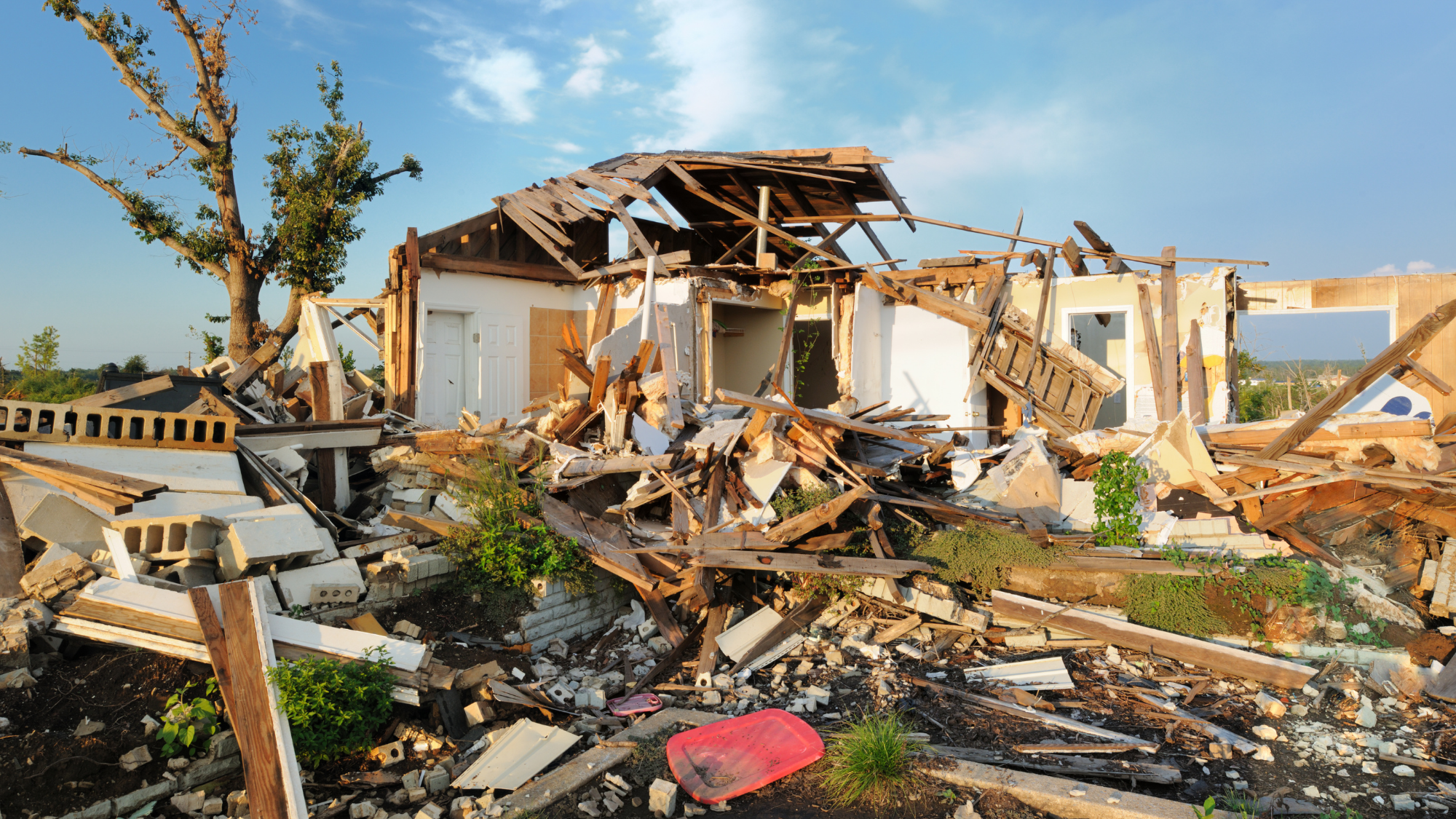
Most homeowners assume “full coverage” means exactly that. But between rising construction costs, renovations that never made it onto the books, and standard policies that dodge natural disasters like a bad ex, there’s a good chance you’re underinsured—and wouldn’t know it until you needed every penny. Let’s fix that now, while your roof’s still intact.
Replacement Cost ≠ What Your House Is Worth on Zillow
The number on your policy isn’t supposed to match your home’s market value. It’s supposed to reflect how much it would cost to rebuild—today, with 2025 labor and materials. And those numbers have gotten spicy.
So if you bought your house for $400,000 five years ago, but it would now cost $500,000 to rebuild from scratch? That $100,000 gap is on you if disaster hits. Call your insurer and ask when your replacement cost estimate was last updated. If they hesitate, that’s your cue.
Are Your Upgrades Covered?
That finished basement? Those solar panels? The marble kitchen you proudly show off to guests? If your insurance provider didn’t get the memo, they might only be covering your home’s pre-upgrade version. And that means your fancy new finishes could be worth nothing in a claim.
Anytime you upgrade your home in a meaningful way, notify your insurer. You’ll likely need to increase your coverage limits, but it’s worth it. You didn’t drop $25K on new floors just to have them written off at 1998 pricing.
Your Stuff Isn’t a Footnote—It’s the Bulk of the Bill
Most policies include personal property coverage—usually around 50–70% of your dwelling’s insured value. But that’s a guess. Not all of your belongings fall under the same rules, especially when you’ve got higher-end items like fine jewelry, collectibles, or that designer wardrobe you swear you got on sale.
Take inventory. What would it actually cost to replace your furniture, electronics, clothes, kitchen gadgets, and everything else in your home? If the number surprises you, it’s time to talk to your insurer about a personal property rider. Also: take pictures, save receipts, and keep digital backups. Future-you will be glad you did.
Natural Disaster Coverage is Usually Extra (and Expensive)
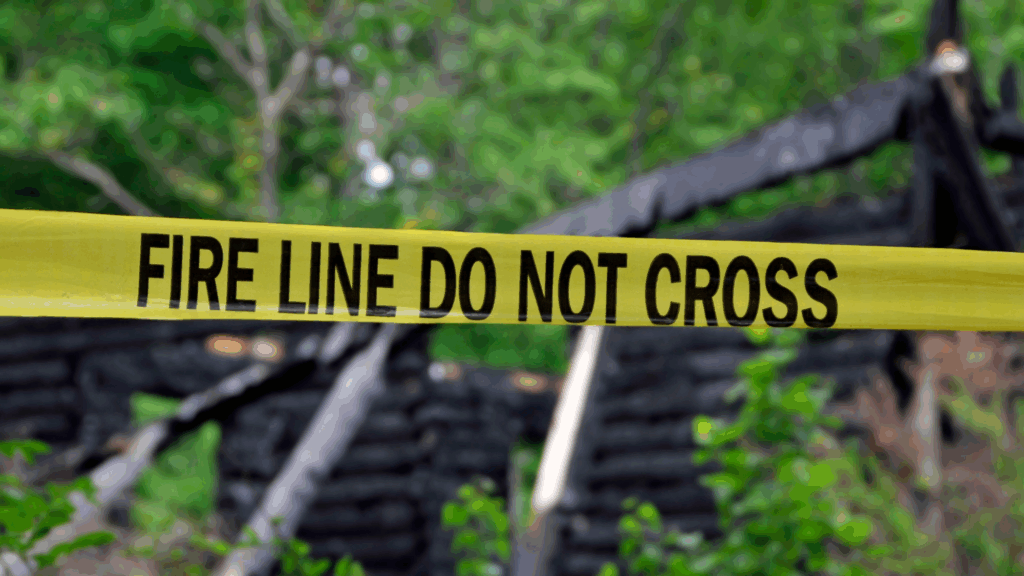
Floods, earthquakes, and sewer backups are rarely covered by standard homeowners insurance. Which is wild, considering how common they are—and how expensive the damage can get.
If you live in a high-risk area, you’ll need separate policies or endorsements for each of these. Don’t assume you’re protected just because you pay a premium. Ask your provider what specific disasters your policy covers, and plug the gaps now—not after the flood water hits your drywall.
Protect the Life You've Built
Being underinsured isn’t just about money. It’s about peace of mind—and knowing that if your home disappears tomorrow, you won’t be left trying to rebuild on your own dime. If you haven’t reviewed your policy in the last year, do it now. If your coverage doesn’t reflect your real costs and lifestyle, it’s time to shop around.
Because the only thing worse than losing your home is finding out your insurance was basically vibes and a prayer.