Managing your finances
Work-from-Home Changed Your Life, But Your Insurance Didn’t Catch Up
May 7, 2025

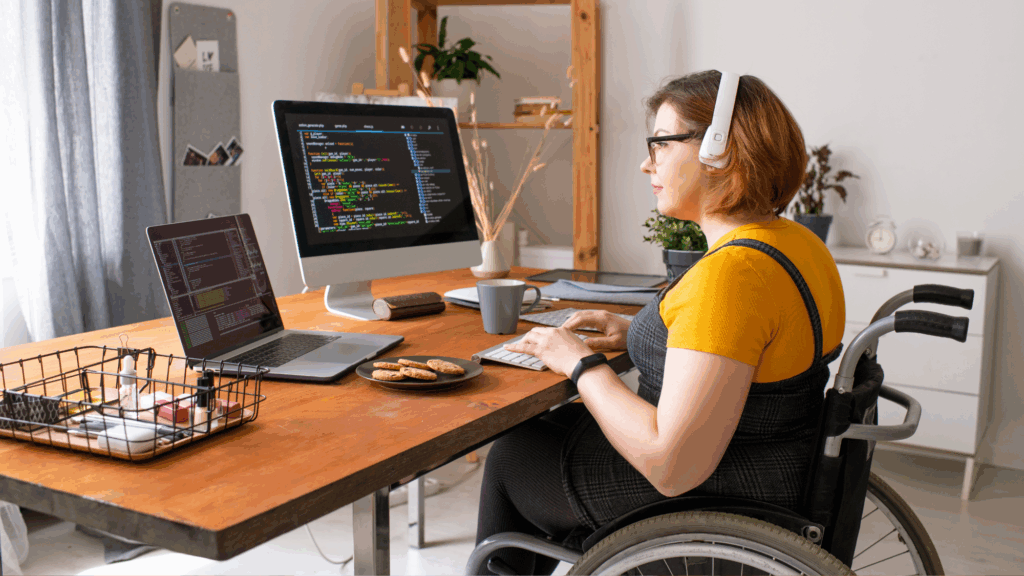
Your spare bedroom has officially leveled up to “command center” status. Between your standing desk, dual monitors, podcast mic, and maybe even a ring light or two, your work-from-home setup didn’t come cheap. The problem? Most home insurance policies still treat it like a dining room table. That means your gear—and even your liability—might not be covered the way you think it is.
Home insurance is built to protect your personal space, not your professional one. And unless you’ve updated your policy, you’re likely operating with some serious blind spots.
Home Insurance ≠ Business Insurance
Standard homeowners insurance typically offers a small sliver of protection for business-related property—usually around $2,500 in total coverage for work equipment. That’s not a lot when you consider the cost of a single MacBook. If your electronics are stolen, damaged in a power surge, or fried by a spilled coffee, your insurer might shrug and point to the fine print.
Liability protection also comes with strings. If someone visits your home for business purposes and gets injured, your standard policy might not cover it. Even if you’re just an employee working remotely, using your home as a workplace introduces risks your insurance wasn’t designed to handle. Many homeowners are surprised to learn they may need a special rider or endorsement, or even a small business policy, depending on how their space is used.
What Changed During the Pandemic—That You Didn’t Insure
Maybe you turned the garage into a gym. Or built a home office complete with soundproofing and wall-mounted monitors. If you haven’t told your insurer about those upgrades, your policy still assumes your house is exactly how it was the day you bought it. That means your coverage may not reflect the true cost of rebuilding or replacing anything new you’ve added.
It’s not just physical updates. If your side hustle took off and you’re now baking custom cookies for local events or tutoring kids after school, your insurer needs to know. These activities fall into business territory, and your personal liability coverage might not apply. Even renting out a room on Airbnb now and then can cause issues if your policy wasn’t designed with short-term rentals in mind.
What To Do Now
Start by walking through your home and tallying up everything you now use for work. If it would cost thousands to replace, it’s time to re-evaluate your coverage. Then call your insurer—not to confess, but to clarify. Ask what’s covered, what isn’t, and what you need to do to make your policy reflect your actual life.
In many cases, a simple endorsement or small premium increase can close the gap and give you real peace of mind. For bigger shifts, like running a full-on business from home, you might need a dedicated policy. Either way, the time to sort this out is before something goes wrong.
Final Thoughts
Working from home may have been a temporary shift at first, but for many people, it’s become permanent. Unfortunately, home insurance doesn’t automatically keep up with your lifestyle. If your career has moved in, your coverage needs to catch up.
Being underinsured isn’t just a financial risk—it’s a productivity killer if you suddenly lose the tools that let you do your job. Make sure your policy works as hard as you do.