Health and wellness
Can You Deduct Auto Insurance on Your Taxes?
May 7, 2025
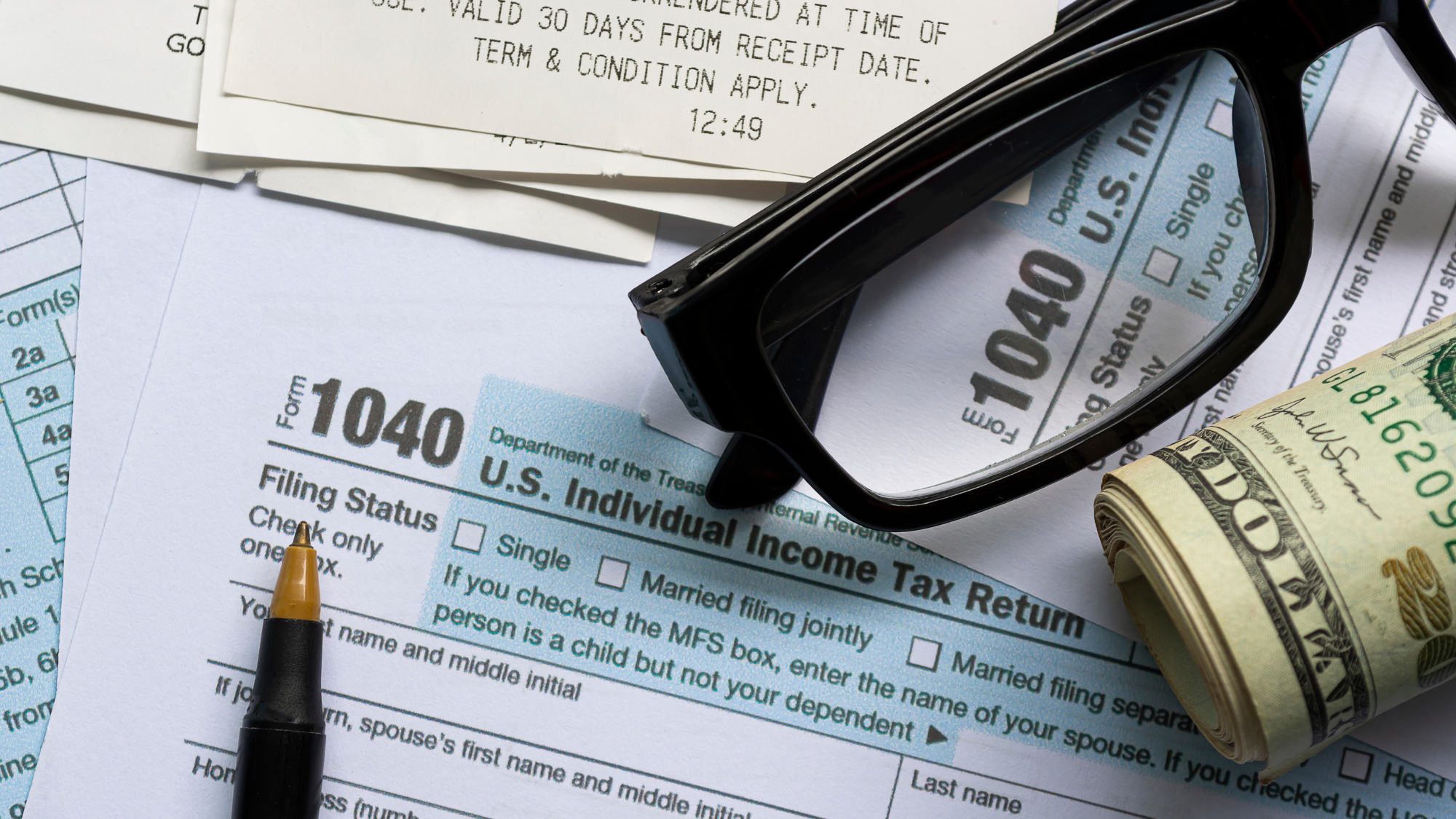
It’s a question that pops up like clockwork every tax season—usually right after someone realizes how much they spent on premiums last year. Can you write off car insurance? It feels like a no-brainer, especially if your car is racking up miles for work. But like most things with taxes, the answer is, “It depends.”
The short version: if you’re self-employed and using your car for business, you might be in luck. But if you’re just commuting to an office or working from home in your pajamas, the IRS isn’t cutting you a break. Let’s dig into who qualifies, what counts, and how to make it count when you file.
The Big If: Business Use Only
To claim any kind of car expense—including insurance—you have to be using your car primarily for business. That doesn’t mean driving to and from your 9-to-5. The IRS only allows deductions for mileage and related expenses when your car use is essential to the work itself.
So who qualifies? Rideshare drivers, food delivery folks, freelancers, contractors, or small business owners making regular supply runs or on-site visits. Basically, if your job exists outside of a fixed office and your car is your mobile workspace, you’re in deductible territory. Everyone else? Keep reading—but don’t get your hopes up.
There Are Two Ways to Deduct—and They’re Very Different
If you’re eligible, the IRS gives you two options to calculate your deduction: the standard mileage rate or the actual expense method. Each one comes with its own math, paperwork, and pros and cons.
Standard Mileage Deduction is the easier route. For 2024, the rate is 66.5 cents per mile. This covers everything—insurance, gas, maintenance, even depreciation—so you don’t have to track every receipt. Just keep a mileage log and plug in the numbers. The downside? You might miss out on bigger deductions if your actual expenses are high.
Actual Expense Method is more involved, but potentially more rewarding. You’ll total up everything you spend on the car: gas, repairs, insurance, oil changes—you name it. Then multiply that amount by the percentage of miles driven for business. So if 60% of your driving is work-related and you spend $1,000 a year on insurance, you can deduct $600. It takes more tracking but could lead to bigger savings if you drive a lot or pay a lot for coverage.
What If You’re a Regular Employee?
If you’re a regular employee receiving a W-2 from your company, you can’t deduct car insurance—period. That’s true even if your job requires occasional travel or errands. The Tax Cuts and Jobs Act of 2017 eliminated miscellaneous itemized deductions, which used to cover unreimbursed work expenses like mileage.
Unless your employer reimburses you for those costs (and even then, you can’t write them off yourself), you’re stuck footing the bill. The only workaround would be negotiating reimbursement directly with your employer—but from a tax perspective, there’s no deduction to be had.
What If You Work From Home?
Remote work doesn’t qualify you for car-related tax breaks, even if your couch has become your new cubicle. Unless you’re self-employed and using your vehicle to physically perform business tasks—like delivering products, visiting clients, or making supply runs—your home office commute doesn’t count.
The IRS doesn’t care if you’re driving to the post office with Etsy orders or hauling camera gear to a photo shoot. That’s legit business use. But driving to the grocery store between Zoom calls? Not so much. The bar for deduction-worthy car use is higher than you think.

Don’t Forget Receipts
If you choose to deduct based on actual expenses, get ready to be meticulous. You’ll need detailed records of every dollar spent—insurance premiums, oil changes, gas receipts, maintenance, and more. You also need to track your business vs. personal mileage to calculate the deductible percentage.
This might sound like a hassle, but apps like MileIQ or QuickBooks Self-Employed can do the heavy lifting. The more organized you are, the easier it is to prove your case if the IRS ever wants to take a closer look. Receipts, logs, and documentation are your best defense.
The Takeaway
Yes, car insurance can be tax-deductible—but only for self-employed people using their vehicle for actual business. Everyone else? It’s a tough break. The IRS is pretty strict about what counts as “business use,” and driving to work or checking Slack in a parked car doesn’t make the cut.
Still, if you qualify, the savings can be real. Know the rules, track your expenses, and talk to a tax professional if you’re not sure which deduction method is best for you. And while you’re reviewing your car costs, it might be a good time to double-check that you’re not overpaying for your policy. You’ve earned every penny back that you can.