breathing exercises
How to Relax Your Mind Naturally (No Fancy Retreat Required)
November 5, 2025
If you’ve ever Googled how to relax your mind naturally while stress-eating pretzels at your desk — yeah, same. We live in a world that practically rewards burnout: endless notifications, job stress, financial pressure, and that weird guilt for not doing enough. But here’s the truth — you don’t need a meditation retreat in Bali or a $300 sound bath to reclaim your calm.
Learning how to relax your mind naturally is about making small, realistic shifts that your future self (and your nervous system) will thank you for. These aren’t fluffy “manifest peace” tips — they’re doable, backed by science, and built for real life.
1. Breathe Like You Mean It
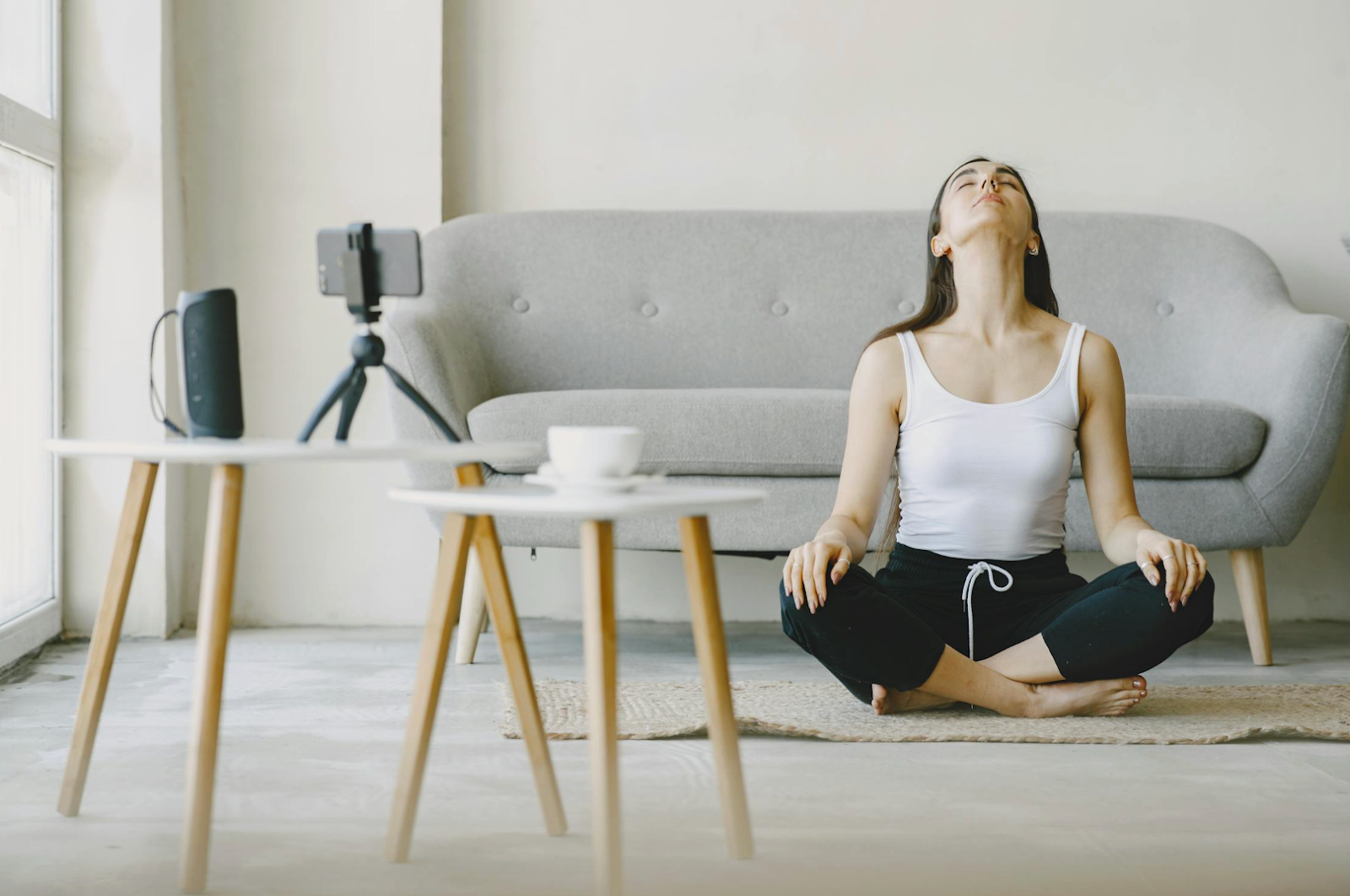
Breathing sounds too simple to work, right? But deep, intentional breathing signals your brain to turn off stress mode. Try the 4-7-8 technique: inhale for 4 seconds, hold for 7, and exhale for 8.
According to the Cleveland Clinic, this breathing method helps calm your nervous system and lower stress hormones naturally.
If you’re interested in long-term stress management techniques, we break down easy, everyday strategies in our guide on stress management that actually works.
2. Move Your Body (Even a Little)
Exercise isn’t just about muscles — it’s one of the fastest ways to relax your mind. Movement releases endorphins (aka your brain’s “chill” chemicals), reduces anxiety, and helps you sleep better.
The American Psychological Association reports that even short bursts of activity, like walking or dancing, can lower stress levels dramatically.
Pair this with a few daily habits to reduce anxiety, like stretching before bed or walking during lunch breaks, and you’ll start to feel the difference fast.
3. Rework Your Digital Diet
Let’s be real — doomscrolling isn’t relaxing. Constant exposure to screens and bad news spikes cortisol, making it harder to calm your brain. Try setting screen limits or turning your phone to grayscale mode after 8 p.m.
If cutting off your phone cold turkey sounds impossible, start by swapping 10 minutes of scrolling for journaling or reading before bed. (Your sleep cycle will throw you a thank-you party.)
You can also check out our post on High Functioning Anxiety for more ways to set boundaries that stick.
4. Eat to Soothe, Not to Stress
Your brain and gut are basically best friends — what you eat affects how you feel. Foods rich in omega-3s (salmon, chia seeds), magnesium (leafy greens, almonds), and complex carbs can boost serotonin and help relax your mind naturally.
Harvard Health notes that balanced nutrition can lower anxiety levels and stabilize mood. That’s one reason our healthy lifestyle tips emphasize food as a mental health tool, not a punishment.
5. Make Rest Non-Negotiable

Sleep isn’t just downtime — it’s your brain’s reset button. Chronic lack of rest can worsen anxiety, slow focus, and make it harder to think clearly.
According to the Sleep Foundation, consistent sleep helps regulate mood, reduce stress, and improve overall cognitive function. So if your brain feels fried, start by aiming for seven to eight hours a night — that’s the simplest way to relax your mind naturally and boost productivity.
If you’re balancing work stress, we also cover how to protect your energy (and sanity) in our post on mental health.
6. Simplify Your Space, Simplify Your Mind
Messy space, messy brain — it’s science. Decluttering isn’t about perfection; it’s about creating room to breathe. Clean surfaces and organized spaces can reduce mental overload and bring a sense of control.
Start small: one drawer, one corner of your desk, one closet. Less clutter equals fewer distractions, which equals a calmer mind.
7. Talk It Out (Yes, It Helps)
Sometimes the fastest route to peace of mind is a good conversation. Talking to a friend, therapist, or even journaling helps release mental pressure.
The National Institute of Mental Health (NIMH) emphasizes that social connection and emotional expression are key to lowering chronic stress.
If therapy feels out of reach, self-reflective writing or voice notes can be surprisingly therapeutic. The point is: don’t bottle it up.
8. Nature: The Original Reset Button

One of the simplest ways to relax your mind naturally is stepping outside. Studies show that just 20 minutes in nature can lower cortisol, heart rate, and tension. You don’t need a mountain hike — your local park or backyard will do the trick.
If you’re feeling burned out, blend this with movement. A solo walk or weekend getaway (check our solo travel on a budget guide) doubles as mental therapy.
9. Build Boundaries Like a Pro
Boundaries aren’t rude — they’re necessary. Whether it’s turning down extra work, muting notifications, or saying “no” without guilt, protecting your energy is one of the most powerful stress management techniques you’ll ever learn.
Start small. Boundaries are like muscles — the more you flex them, the stronger they get.
10. Celebrate Doing Less
Your worth isn’t tied to how busy you are. Slowing down is productive. Taking breaks is necessary. Learning how to relax your mind naturally means choosing calm over chaos, presence over pressure, and balance over burnout.
TL;DR — The Road to Relaxation
- Breathe deeply and intentionally
- Move daily, even for a few minutes
- Cut back on screen time
- Eat brain-friendly foods
- Prioritize sleep
- Declutter your space
- Talk things out
- Get outside more often
- Set boundaries that stick
- Do less, but do it better
FAQs
Q: Can you really train your mind to relax naturally?
A: Absolutely. Like any habit, consistency matters more than perfection. Start small — one daily practice is enough.
Q: How long does it take to feel results?
A: You can feel calmer in minutes after breathing exercises, but the long-term peace comes from daily repetition.
Q: What’s the most effective natural way to relax your mind?
A: Sleep, movement, and mindfulness top the list — backed by both science and experience.
Your Road Forward
Your mind doesn’t need luxury retreats or expensive supplements — it needs consistent care. Learning how to relax your mind naturally isn’t about escape; it’s about returning to balance.
Start with one small habit today: take a walk, breathe deeply, or put your phone away for an hour. Peace isn’t out there — it’s in the pause you give yourself.