Insurance
Buying a House? Here’s the Insurance You Didn’t Know You’d Need
May 7, 2025

Congrats on the new house. You’ve got the keys, the mortgage, and probably a plant or two you swore you wouldn’t kill. But here’s what no one mentioned in the closing paperwork: standard homeowners insurance covers less than you think.
Most people assume that once they check the “homeowners policy” box, they’re good. But insurance is one of those areas where the fine print really matters—and where the right add-ons can save you thousands (and your sanity). Here’s what you might be missing.
Flood Insurance (Even If You’re Not in a Flood Zone)
Standard home insurance policies don’t cover damage from rising water. So if your basement turns into a lake after a storm, your insurer will likely shrug unless you’ve added a flood policy.
And get this: about 1 in 4 flood claims come from properties outside high-risk zones. So while FEMA maps are a starting point, they’re not a crystal ball. Flood insurance is separate, and often inexpensive in low-risk areas. It’s worth the peace of mind.
Sewer Backup Coverage: It's Gross, but Necessary
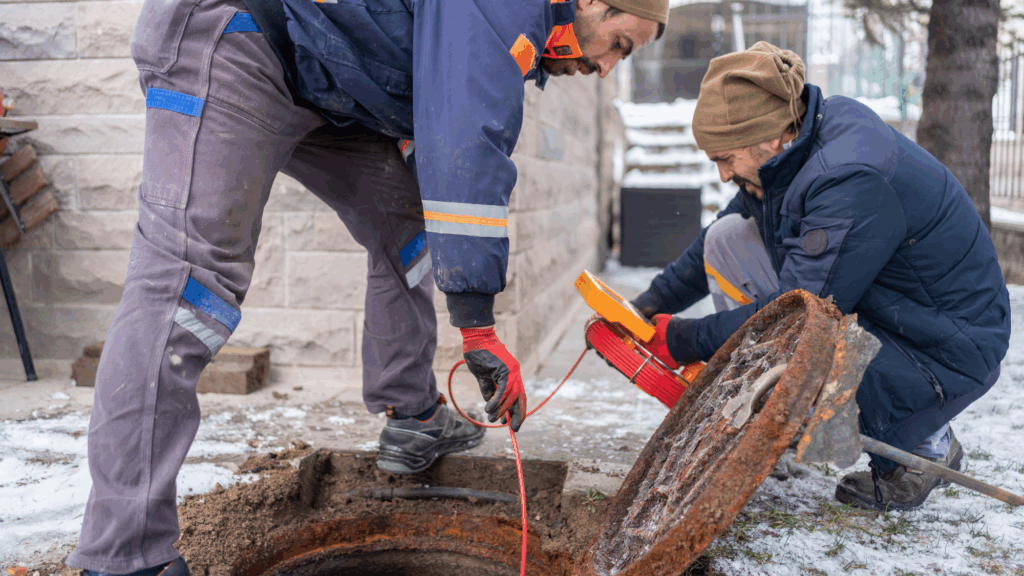
Imagine raw sewage backing up into your newly finished basement. Now imagine your insurance saying, “Not our problem.”
Sewer backups are not included in most basic policies—but adding coverage is cheap (we’re talking $50-ish a year). This rider covers cleanup, replacement costs, and helps you avoid footing the bill for one of the nastiest home disasters imaginable.
Ordinance or Law Coverage: Because Codes Change
Older homes are charming—until it’s time to rebuild and you’re told you need to upgrade everything to modern building codes. Spoiler: your standard policy won’t cover the extra cost of compliance.
Ordinance or law coverage helps fill that gap. It covers the difference between rebuilding what you had and rebuilding to today’s standards, which can get pricey fast if electrical, plumbing, or structural updates are required.
Extended Replacement Cost: When "Full Coverage" Isn't Enough
Even if your policy says it covers replacement costs, that doesn’t always mean total coverage. If construction costs spike after a natural disaster—or your estimate was off—you could still come up short.
Extended replacement cost coverage gives you a buffer, typically an extra 10–25% above your policy limit. Think of it as your plan B when labor and materials cost more than expected—which is… most of the time lately.
Equipment Breakdown Coverage: For the Stuff That Keeps the House Running
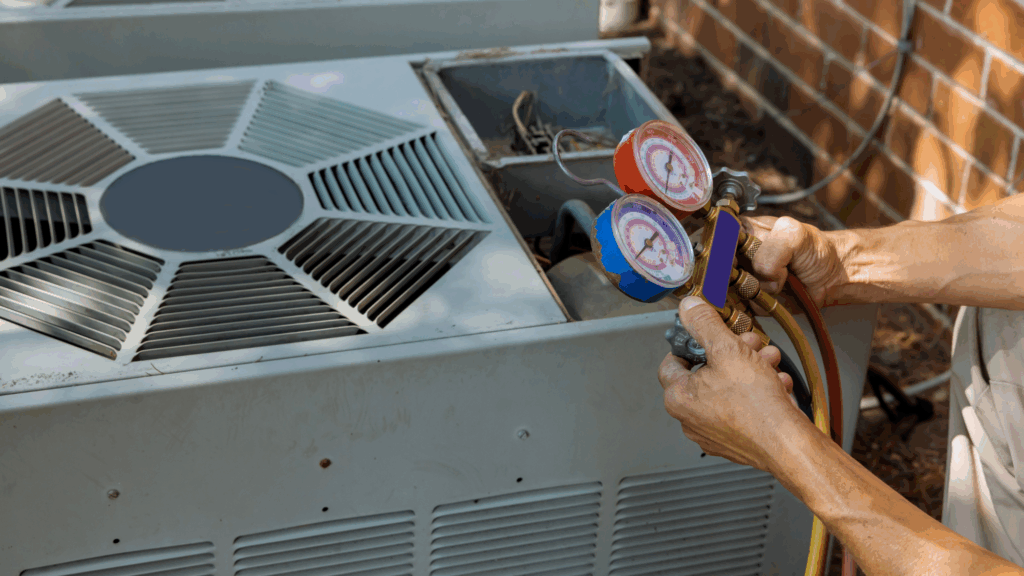
Your HVAC dies. Your fridge goes rogue. Your water heater explodes just in time for winter. Standard policies don’t cover equipment failure—but this rider does.
Equipment breakdown coverage acts like a mini home warranty rolled into your policy. It covers the repair or replacement of big-ticket appliances when they fail unexpectedly (not from wear and tear, but from mechanical malfunction). Handy, right?
Don’t Let Gaps Become Gotchas
That base homeowners policy might have checked the box at closing, but it wasn’t designed with your home, your upgrades, and your budget in mind. Take 30 minutes to really understand what’s covered—and what isn’t.
If you’ve got a new home, a few renovations, or just want coverage that matches real life, it’s time to look beyond the basics. [Click here] to compare policies that actually cover what matters.