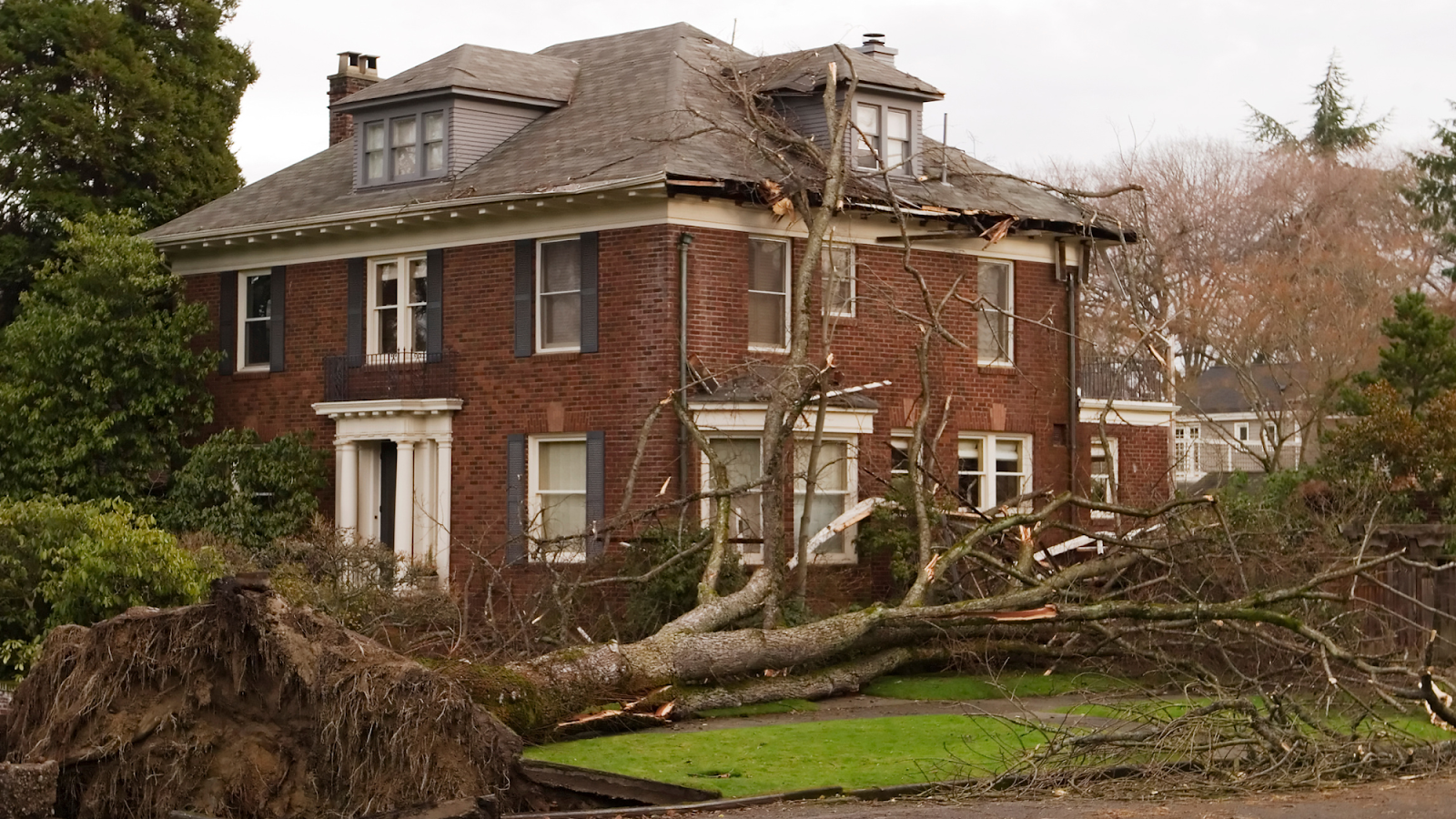
The Home Insurance Horror Stories That Could Happen to You
May 7, 2025

Home insurance is one of those things you hope you never have to use—but when you do, it’s supposed to show up and save the day. That’s the promise, right? A safety net for the worst-case scenario. But too many homeowners only find out the fine print matters after something goes seriously wrong. They assume their policy has their back, only to discover it has more exceptions than coverage when it really counts.
These are real stories from real people who thought they were protected—until they weren’t. From denied claims over technicalities to coverage gaps they didn’t know existed, each one is a reminder that peace of mind requires more than just paying your premium. It takes asking questions, knowing the limits of your policy, and being prepared before disaster hits.
The "Wear and Tear" Roof Denial
After a heavy storm, a homeowner discovers a leak in their roof. They call their insurer, expecting help. Instead, the adjuster shows up and says the leak is due to roof age and normal deterioration—not storm damage. Claim denied. Now they’re left with a $12,000 repair bill.
Lesson learned: Don’t trust that big weather events automatically trigger covered damage. Get storm reports, take photos immediately, and document as much as possible. When damage happens, the burden of proof often falls on you—not the insurance company.
The Squirrel Fire
A homeowner keeps hearing scratching noises in their attic—but doesn’t investigate. Weeks later, squirrels chew through electrical wiring, a spark ignites insulation, and flames spread. When they file a claim, the insurer refuses because the homeowner didn’t address an existing pest issue.
Lesson learned: Ignored issues—especially pests, leaks, or mold—can negate your coverage if they lead to damage. Address problems promptly and document repairs so there’s no question about neglect.

Renting Out Your Place? Claim Voided
A homeowner lists their house on Airbnb for a few weekends. A guest accidentally floods the bathroom. The insurer denies the claim, saying short-term rental activity wasn’t disclosed. Eventually, the entire policy is voided.
Lesson learned: Hosting—even occasionally—counts as business use in the eyes of your insurer. Without proper endorsements or rental coverage, any damage caused by guests can result in immediate policy nullification.
The Flood That Wasn’t Covered
A strong thunderstorm hits, and basement flooding follows. Believing they have full insurance, the homeowner files a claim. But the insurer denies it, stating the water was surface flooding—not a pipe burst. Because they didn’t have a flood policy, there’s no coverage.
Lesson learned: Standard home insurance does not cover most types of flooding. If water enters your home from outside, you need a separate flood policy—even in low-risk zones.

How to Avoid Becoming the Next Cautionary Tale
Start by actually reading your policy—no skimming. Understand what’s excluded, what voids coverage, and where your responsibilities begin. Don’t rely on assumptions or hearsay.
Ask your insurer direct, scenario-based questions. “What happens if my rental guest floods the bathroom?” is a better question than “Am I covered?”
Keep photo records of your home, valuables, and any upgrades. Save receipts and store everything in a place you can access quickly during a claim.
Finally, fix the small stuff. A pest problem or minor leak can become a denied claim if it’s chalked up to neglect. Regular upkeep is protection in disguise.
Bottom Line
Insurance isn’t magic. It’s a contract. Every contract has loopholes. And if you don’t know what those loopholes are, you might get burned at the worst moment. The best defense? Know what your policy actually covers—and take smart steps before disaster strikes.
If you’re ready for coverage that works when you need it most, not one that ghosts you—start comparing home insurance options built to show up when it matters most.