Why Your Home Insurance Might Not Cover That Giant Tree in Your Yard
May 7, 2025
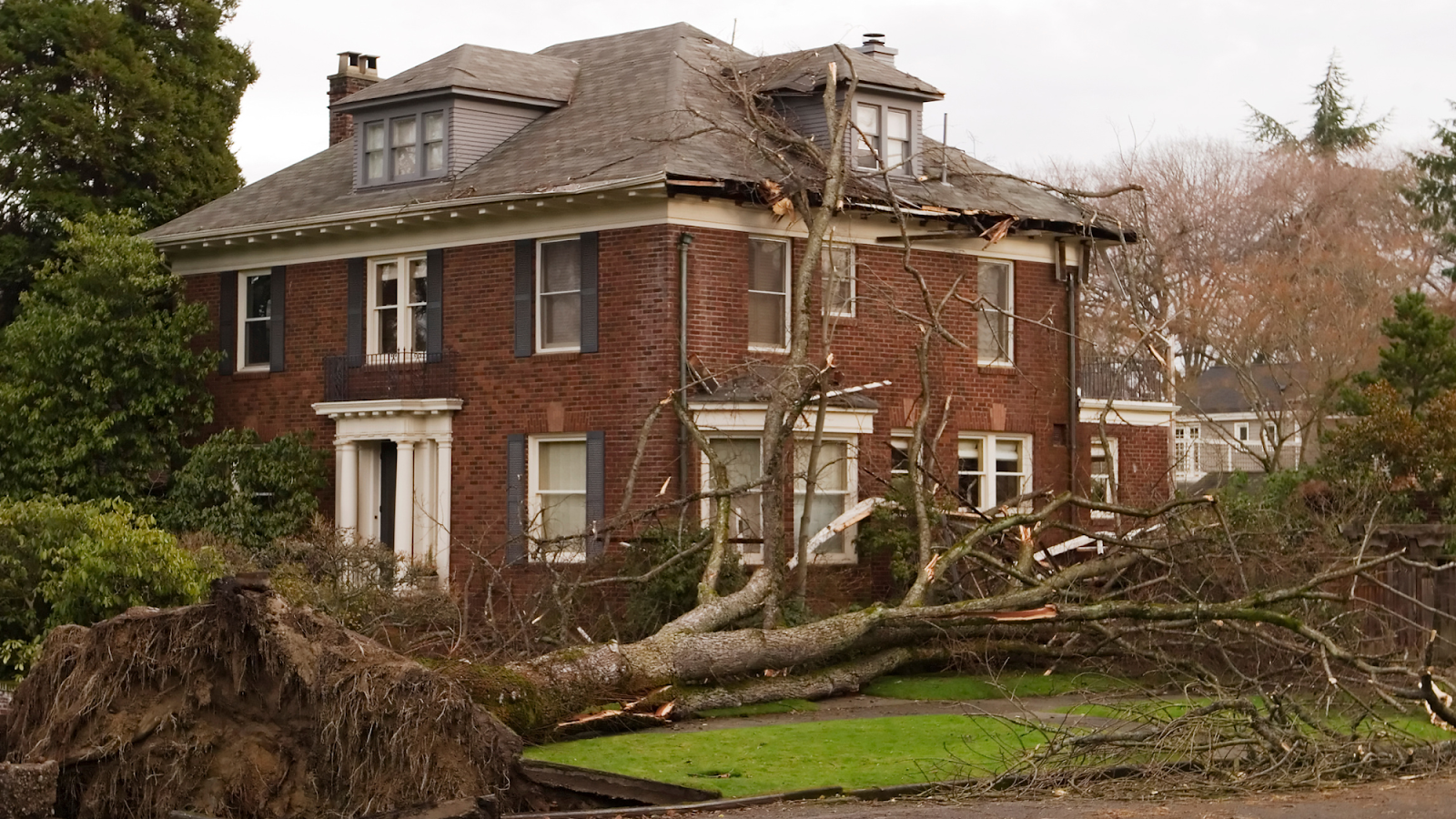
Trees are great—until they aren’t. Whether they’re providing shade or blocking your view, most homeowners assume their insurance policy has their back if something goes wrong. But when that tree snaps, leans, or sends its roots where they don’t belong, your insurer may suddenly act like it’s none of their business.
Let’s break down exactly what your home insurance will—and won’t—cover when it comes to trees.
Spoiler: it depends on how the tree fell and whether you did your part to prevent it.
What’s Usually Covered: When a Tree Falls
YoIf a tree unexpectedly crashes down and takes something important with it—like your roof, fence, or garage—your policy will probably step in. That’s assuming the fall was caused by something sudden and accidental, such as a windstorm, lightning, or even a car collision.
In many cases, you’re also covered if a fallen tree blocks your driveway and prevents access. But here’s the catch: the tree has to have been healthy before it fell. If it was dead, rotting, or clearly unstable, insurers will likely say the damage was preventable—and deny the claim.
What’s Not Covered: Tree Drama That’s “Preventable”
Home insurance does noInsurance is designed for unexpected accidents, not things you saw coming and ignored. If your tree was dead, diseased, or visibly leaning for months before it finally gave way, your insurer may point to “lack of maintenance” and reject your claim.
Damage from roots—like cracked driveways or shifted foundations—is also usually excluded. Same goes for hanging branches or unstable trees that haven’t fallen yet. Most policies don’t cover proactive removal just because something “looks sketchy.”
Bottom line: if you had time to fix it and didn’t, you’re probably on the hook.

Tree Removal: Not Always Included
Even when the damage itself is covered, removal costs may not be. Most policies limit reimbursement for tree removal to $500–$1,000—and only if the tree actually caused damage to your home or a covered structure. If it falls cleanly in the yard? It’s your cleanup job.
Check your policy’s fine print to see what kind of cleanup help you’re really entitled to.
How to Stay Ahead of Trouble
Preventing issues before they happen is your best defense. That means:
- Regularly trimming limbs near your house or power lines
- Removing obviously dead or dying trees
- Keeping photo records of your landscaping for insurance documentation
- Consulting an arborist if a tree starts to lean or rot
If you’ve got a tree that gives you a bad feeling, don’t wait. Your insurer won’t be interested until it’s already caused thousands in damage.
Bottom Line
Home insurance isn’t there to handle landscaping neglect. It’s meant to cover damage that’s sudden, accidental, and unavoidable. If your trees are aging, unstable, or threatening your property, deal with them now—before your insurance company gets to say, “we told you so.”
Not sure if your current policy would have your back in a tree-related disaster? It might be time to get a second opinion—and a smarter policy that doesn’t leave you out on a limb.