Managing your finances
7 Surprising Things Your Home Insurance Probably Doesn’t Cover
May 7, 2025
You bought the house. You’re paying the premium. You sleep peacefully under your roof, comforted by the idea that you’re fully insured. But here’s the bad news: unless you’ve actually read your entire homeowners policy cover to cover (and let’s be honest, who has?), there are probably a few landmines hidden in that fine print.
Standard homeowners insurance is great—until it’s not. The truth is, your policy doesn’t cover everything. In fact, some of the most expensive disasters are exactly the ones that fall through the cracks. So before you assume you’re protected, here’s a breakdown of the seven big “nope”s hiding in plain sight.
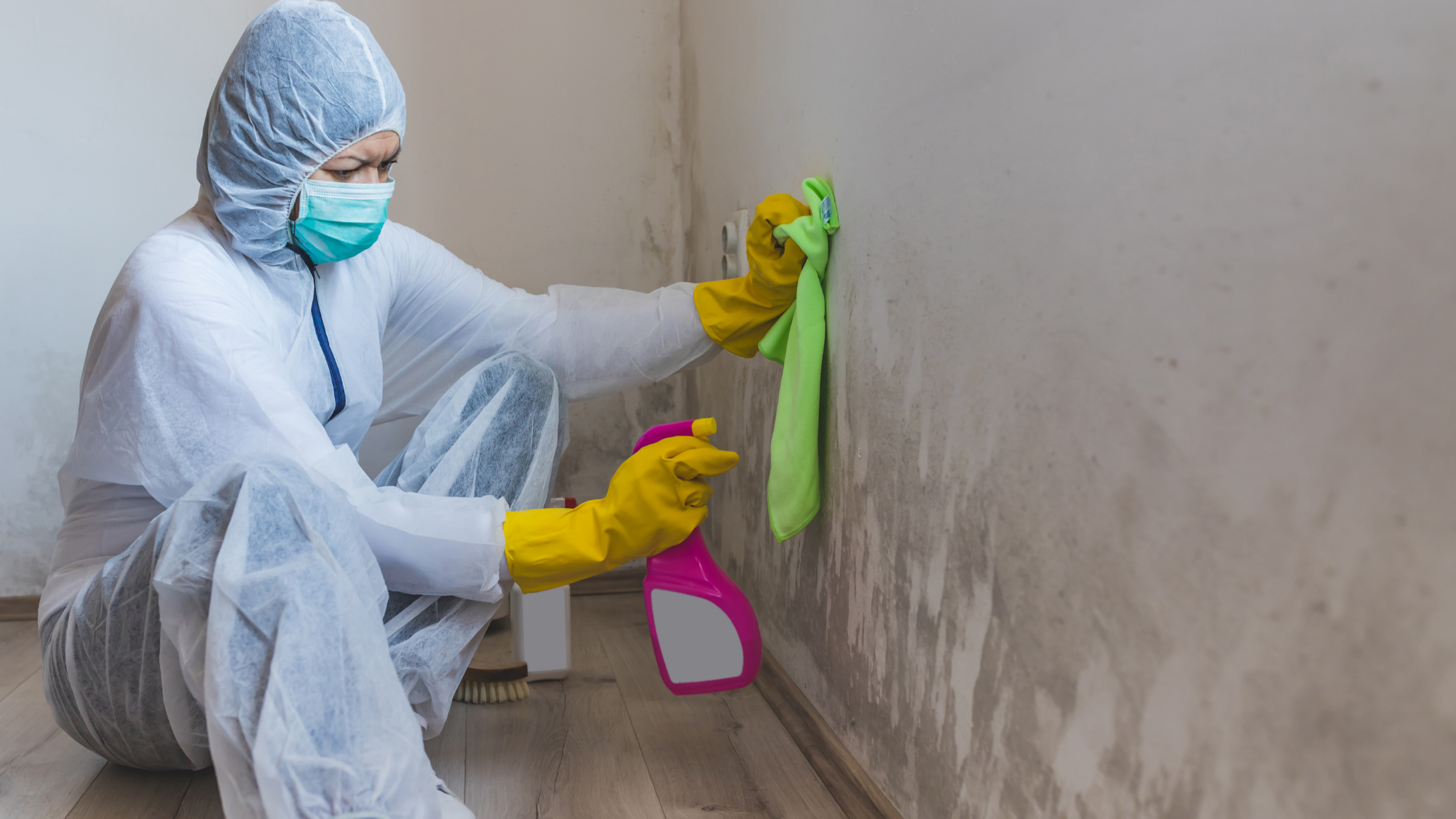
1. Mold is Not Your Policy's Problem
If mold is creeping up the walls, your insurance company will likely shrug and say, “Should’ve caught that earlier.” Unless it’s caused by something sudden and covered—like a burst pipe—you’re footing the bill. Chronic humidity, leaky basements, and slow plumbing issues? Those fall under the category of “maintenance fail,” which isn’t your insurer’s job.
Even if your claim is mold-related and tied to a covered event, there’s probably a cap on how much help you’ll get. Spoiler: that number usually won’t cover a full cleanup. Consider a mold endorsement if you live somewhere damp—or anywhere that mold likes to party.
2. Your Valuables Aren't as Covered as You Think
That $12,000 engagement ring or rare watch collection? Standard policies cap those valuables at shockingly low amounts—usually between $1,000 and $2,500 total. Meaning if the worst happens, you’re out of luck (and sparkle).
To get real coverage, you need to “schedule” those high-value items on your policy with what’s called a rider or endorsement. It’s basically extra protection for the good stuff, and yes, it’s worth the effort—especially if you don’t want to explain to your future self why your policy only paid out $1,500 on that $10,000 heirloom.
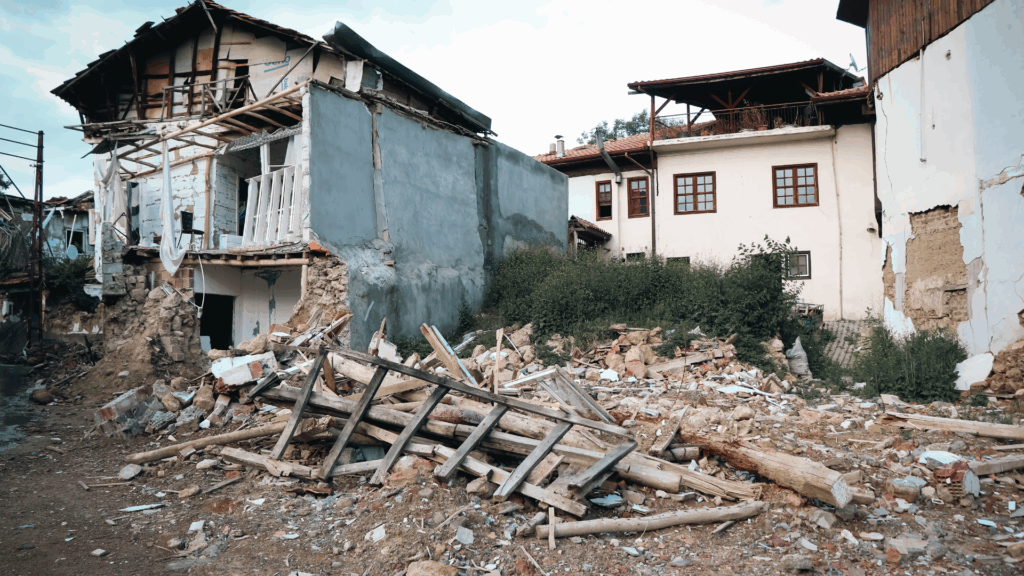
3. Earthquakes and Floods? You’re (Probably) Not Covered
Think you’re safe because you live inland or don’t feel the earth move often? Think again. Floods and earthquakes are two of the most damaging natural disasters—and they’re almost never covered under standard home insurance.
You’ll need separate policies for both, and they’re usually backed by government programs or specialty insurers. If your basement turns into a wading pool or a minor quake cracks your foundation, your standard policy won’t do much besides offer emotional support. Don’t wait for FEMA to become your landlord.
4. Infestations? You’re On Your Own
Termites, rats, bedbugs, bats—none of these freeloaders are covered by your homeowners insurance. Infestations are considered “preventable,” which means insurers expect you to be proactive, not reactive.
In other words: if critters move in, you’re on your own. Regular inspections, sealing up your home, and calling in pest control early are your best bets. Because once they’ve caused real damage, your policy will politely wish you luck.
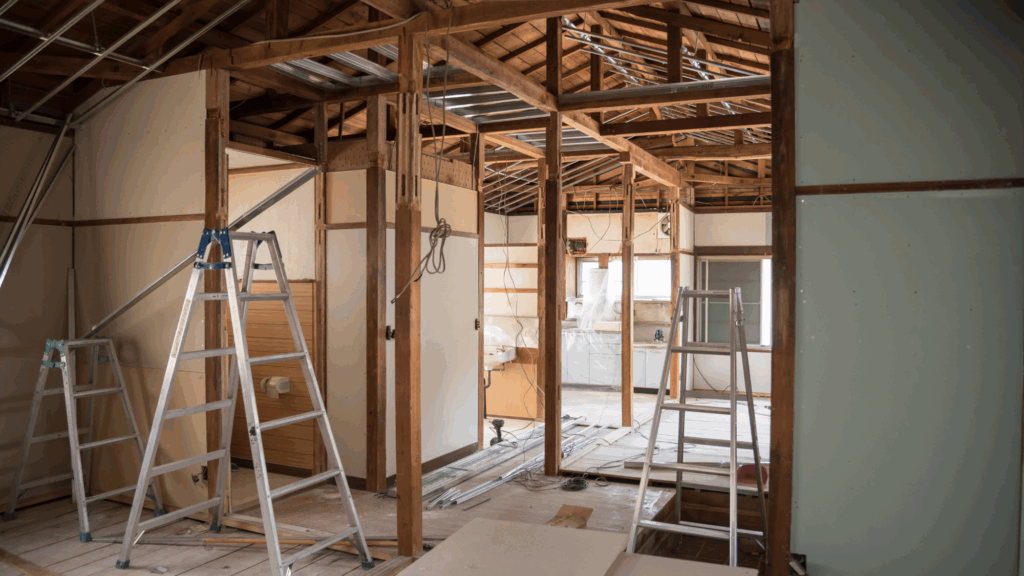
5. Renovations Can Void Your Coverage
Thinking of knocking down a wall or upgrading your kitchen? Cool. Just don’t forget to call your insurance company. If something goes wrong during a renovation—like your contractor crashes through the ceiling or your new wiring sparks a fire—your claim could be denied if you didn’t disclose the changes or use licensed labor.
Insurance companies base your coverage on your home’s known value and condition. Change either of those, and your protection could go out the window with your old cabinets. Always update your insurer before the first hammer swings.
6. Empty Homes Make Insurers Nervous
If your house sits vacant for more than 30 to 60 days, depending on your policy, you could lose coverage entirely. Vacant homes are riskier: break-ins, burst pipes, unnoticed fires—all more likely when no one’s around.
If you’re away for a long stretch (think extended travel, seasonal properties, or moves-in-progress), you’ll likely need a vacant home endorsement or even a separate vacant home policy. It’s not glamorous, but it beats finding out too late that your empty home was unprotected.
7. Depreciation Can Kill Your Claim
Not all policies are created equal. Some only reimburse you based on “actual cash value” (ACV), which subtracts depreciation from your payout. So your 15-year-old roof might only get you a few hundred bucks—not nearly enough to replace it.
The smarter move? Upgrade to “replacement cost coverage.” It costs more now but covers the actual cost to replace what’s lost—regardless of age or wear. Trust us: it’s worth every penny when disaster strikes.
What’s Usually Covered (So You Don’t Panic Completely)
We’re not total downers. A standard HO-3 homeowners policy still covers plenty of stuff, including:
- Fires, lightning, and smoke damage
- Windstorms and hail (though hurricanes may be excluded)
- Theft and vandalism
- Accidental water damage (from plumbing—not floods)
- Falling objects (trees yes, satellites probably not)
But the exclusions matter just as much as the protections—and they’re sneakier than you think.
The Takeaway: Insurance Is Only As Good As What You Know
If you're tracking your net worth with spreadsheets, but haven’t reviewed your policy in three years, it's If you’re on top of your finances but haven’t reviewed your policy since you bought your house, you’re flying blind. Audit it yearly. Ask questions. Add coverage where needed. Because when the unexpected happens, the last thing you want is to realize you’re only covered for “some stuff” and not the disaster you’re dealing with.
Home insurance isn’t about hoping nothing bad happens—it’s about knowing you’ll be okay when it does.